


Wine Culture
Amarone and Valpolicella: a guide to the wine and the valley
Not a grape, not a village, not a sweet wine: Amarone is a method. The grapes, the four wines, the drying and three wineries where you can live it, down to the chocolate pairing.
Leggi in italianoLuciana Dias — 5 min — October 2026
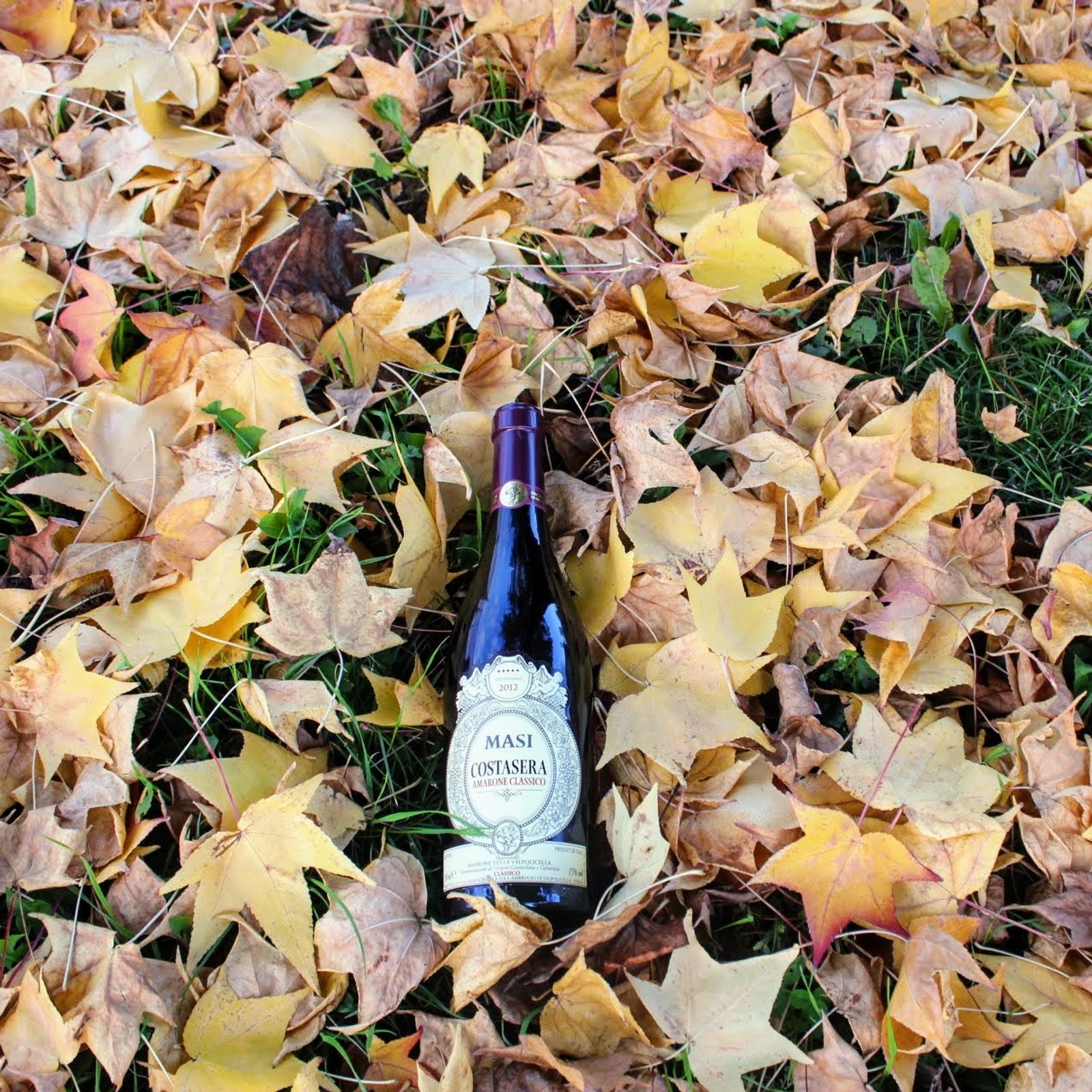
Amarone is one of the most recognisable Italian wines in the world, and one of the most misunderstood. It is not a grape, not a village and not a sweet wine. It is a method, practised in one valley north of Verona, that turns fresh grapes into something closer to concentrated memory.
Where Valpolicella is
Valpolicella is a series of valleys and hills just north of Verona, in Veneto, between the city and the Lessini mountains. Lake Garda, a few kilometres west, softens the climate; the hills keep the air moving through the vineyards. Soils change from valley to valley, from limestone to clay and volcanic deposits.
The grapes
All the wines of Valpolicella come from the same native red grapes:
- Corvina and Corvinone: the backbone, with cherry, freshness and a slightly bitter almond finish.
- Rondinella: colour and softness.
- Smaller amounts of other local varieties, such as Oseleta and Molinara, depending on the producer.
One family, four wines
- Valpolicella: the fresh, everyday red. Light, cherry-scented, easy with food.
- Valpolicella Ripasso: Valpolicella fermented a second time on the skins left over from Amarone or Recioto. Rounder and richer, without the full weight of Amarone.
- Amarone della Valpolicella: made from dried grapes and fermented until dry. Powerful, velvety, high in alcohol, with dried cherry, plum and cocoa.
- Recioto della Valpolicella: the oldest of the family. Also from dried grapes, but left sweet.
Appassimento: the drying of the grapes
After the harvest, the best bunches are laid in crates or on racks in ventilated lofts called fruttai, and left to rest for months. They lose a large part of their water; sugars, aromas and structure concentrate. Only then are they pressed.
It takes space, time and constant attention: one damp week can ruin a vintage. More on this below, with our visit to Allegrini's drying centre in Fumane.
In March 2026 Italy put this practice forward for UNESCO's list of Intangible Cultural Heritage, under the name "Il rito della messa a riposo delle uve della Valpolicella".
A legend about the name
Local storytelling says Amarone was born by mistake: a barrel of Recioto forgotten until its sugars had fermented away, leaving a dry, bitter-edged wine. Amaro means bitter; Amarone, "the big bitter one". It is a story, not a documented fact, but it explains the name better than any technical sheet.
Living it: three wineries, three ways to tell the story
Allegrini, Fumane: soil and the drying loft
In summer 2023 Elisa from Allegrini walked us through the Fumane vineyards: 150 hectares, one plot on mineral-rich limestone, another on clay and volcanic deposits, and the difference explained with our feet on the ground. Then the Terre di Fumane drying centre, empty and waiting for the harvest: the grapes arrive between September and October and rest at controlled temperature until January.
In the glass, the family in order: Valpolicella Classico 2022, fresh, cherry and a hint of spice; La Grolla 2019, Corvina and Oseleta, 16 months in second-use French barriques, 2 in large Slavonian oak and 10 in bottle, with tobacco and coffee; and finally the Amarone 2019.
Tenuta Le Cave, the Fasoli family: organic as rebirth
The Fasolis have farmed since 1925, and were among the first in Valpolicella to go organic, long before it was a trend. "Being organic is not a label. It is a way of living the vineyard," says Natalino Fasoli, now working with his son Matteo.
Their strongest project is a place: a former Italcementi quarry a few kilometres from Verona, which could have become a landfill and became Tenuta Le Cave instead. Vines on reclaimed land, the TASI wines (dialect for "be quiet", meaning listen), a relais with a pool among the vines and Magari, a space designed for lying on the hillside and doing nothing. On the labels there is a goose, the guardian of the vineyards.
Monte del Frà: Amarone and chocolate
In October 2023, at Monte del Frà, we brought Christmas forward with a pairing that sounds like a gamble: Amarone and artisan chocolate. The Bonomo family, who started in Custoza at Sommacampagna, have vineyards in Valpolicella Classica at Tenuta Lena di Mezzo, east of Fumane, and since 2019 a drying centre in San Pietro in Cariano. At the winery there are vineyard picnics, horse rides and contemporary art shows in the barrel room.
Three Amarones in the glass:
- Tenuta Lena di Mezzo 2016: vines at 350 metres, 120 days of drying, large casks and native yeasts. The family's "wine of the heart", as Marica Bonomo told us.
- Riserva Scarnocchio 2016: 48-year-old vines at 400 metres, the freshest and most balsamic.
- Casa Capitei 2018: five hectares in San Pietro in Cariano, plum, spice, cocoa and tobacco.
The chocolate came from Liudmila Pascurova, known as Lucrea, who sources cocoa from the Dominican Republic, Ecuador, Madagascar, Ivory Coast and Ghana. That day led to a Christmas gift box: Lena di Mezzo Amarone with an Extra Bitter 61% bar.
The CX Gossip: an icon looking for a new table
For decades Amarone has been the wine of big occasions: powerful, expensive, served with ceremony. Today many drinkers prefer fresher, lighter wines, and Amarone risks feeling like a dinner jacket in a wardrobe of linen shirts.
The wine doesn't need to change. The context does. The producers who are winning make Amarone part of an experience rather than a trophy:
- They show the fruttaio. Seeing the grapes dry explains the price better than any tasting note.
- They pour it with a story, not a speech. One sentence about time and patience.
- They let people start with Valpolicella. The family makes sense when you taste it in order.
How to taste it
Serve Amarone at around 16–18°C, in a large glass, and give it time. It loves slow-cooked meats, aged cheeses and risotto all'Amarone. Ripasso is the easier companion for a weeknight dinner.
With chocolate
It works with dark chocolate, 60% and above: the bitterness of the cocoa meets Amarone's bitter finish, and the wine never tastes drier than the sweet. With milk chocolate or a sugary dessert, choose Recioto instead.
For a dinner for two
Verona is the city of Romeo and Juliet, and Valentine's Day is when most people look for one of its wines. Our selection: Bertani's Amarone or Masi's Costasera Riserva for the big reds; Le Guaite di Noemi's Ripasso for something softer. Among the whites: Pieropan's Soave Classico, Inama's I Palchi Foscarino, Ca' Rugate's Monte Fiorentine and Monte del Frà's Custoza Cà del Magro.
Sources
The Gossip Letter
Stay curious about wine.
New bottles, changing rituals and the people reshaping contemporary wine culture.
Keep exploring
Good stories deserve a second round.