


Wine Culture
48 hours in the Euganean Hills
Thermal water, two villas, a vineyard on Monte Venda, Este ceramics and Fior d'Arancio: the two-day itinerary I would do again.
Leggi in italianoLuciana Dias — 3 min — October 2026
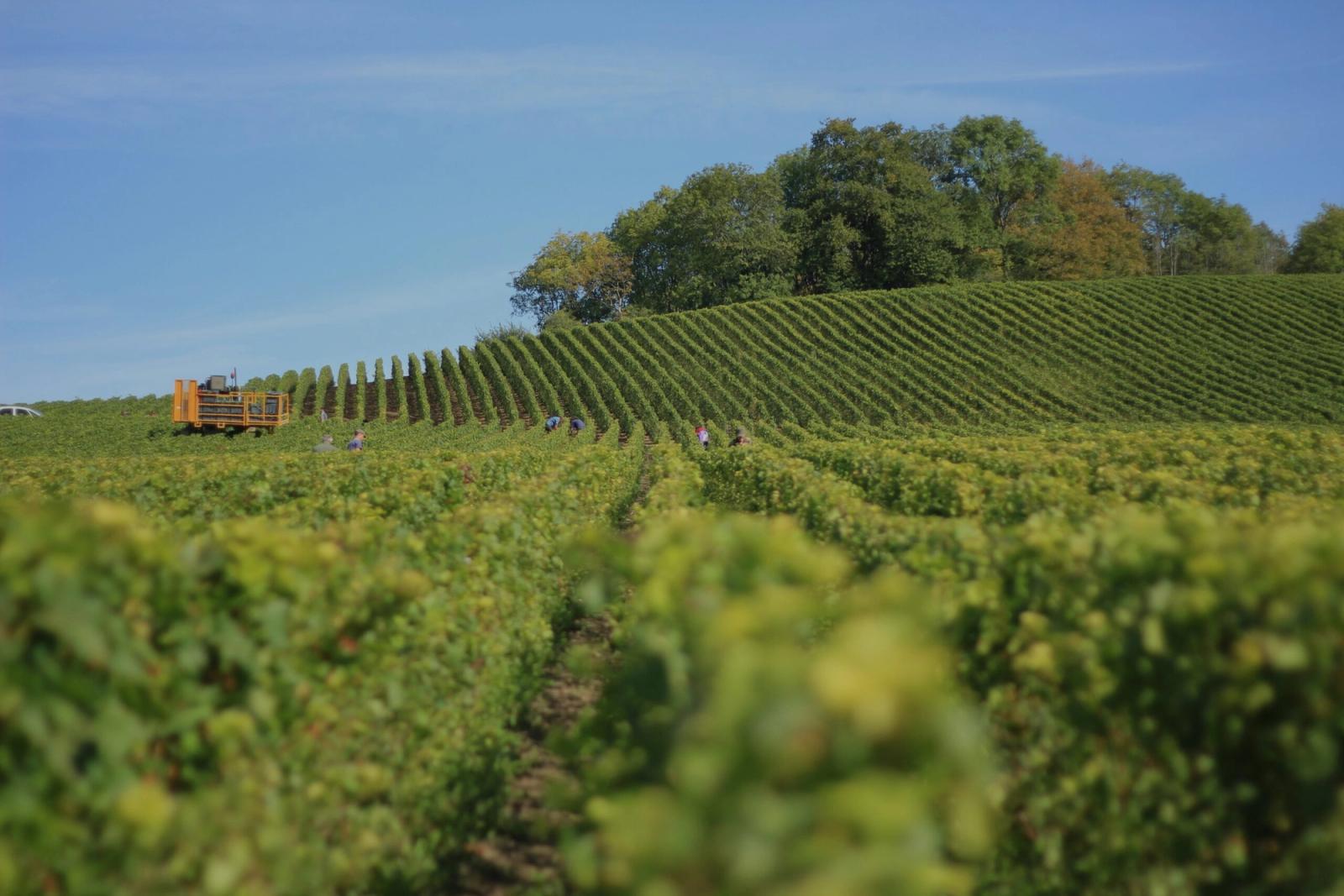
Euganean Hills, May 2023
Half an hour from Padua, a handful of volcanic cones rises from the plain. The thermal waters at their feet have been used since Roman times; on the slopes there are 16th-century villas, olive groves, woods and vines. Two days are enough to understand them, if you accept a slow pace. This is the itinerary I would do again.
Day 1, morning: the water
Start in Abano, where spa hotels such as GB Thermae Hotels work with the same hot water the Romans already knew. It is more than a brochure detail: the volcanic geology that heats this water is the same that shapes the vineyard soils. Everything else in the trip starts here.
Day 1, afternoon: two villas
Villa dei Vescovi, in Luvigliano, built between 1535 and 1542 for the bishop of Padua, Francesco Pisani, to a design by Giovanni Maria Falconetto. Today it belongs to FAI, the Italian National Trust, and its loggias open straight onto the vines: the best way to see that wine has always been part of this cultured landscape.
Then Villa Selvatico, in Battaglia Terme: begun in 1593, finished in 1647, with a dome, crenellated towers and an English-style park climbing the hill.
Day 1, evening: the table
Two options, depending on your mood. The contemporary cooking of Incalmo, built on local ingredients, or the tradition of Antica Trattoria Ballotta in Torreglia: asparagus risotto in spring, peas, fresh pasta.
Day 2, morning: the vineyard
Ca' Lustra Zanovello, on the southern slope of Monte Venda, the highest of the hills. Family-owned since 1977 and organic: 42 hectares, only 25 of them under vine, the rest olive groves, woods and pasture. That proportion says a lot. Linda Zanovello walked us from vine to bottle.
Taste here, or at any winery in the hills, Fior d'Arancio: Moscato Giallo, dry, sparkling or passito, that smells exactly of what its name says, orange blossom. It is the signature of the Euganean Hills.
Day 2, afternoon: the hands
Este, a walled town at the foot of the hills, is the stop I did not expect. Here ceramics have a history that reaches back to prehistory: the terracotta pieces in the Museo Nazionale Atestino tell it better than any guidebook. Production has never stopped since, from Roman times to the Renaissance.
The modern chapter has a name tied to fashion. In the 1950s Giovanni Battista Giorgini, the man who staged the first Italian high-fashion shows in Florence, bought the historic Franchini manufactory near Este's 18th-century theatre. He restored the building, rediscovered the antique moulds and began working with artisans to join historic shapes and contemporary design. His grandson, Giovanni Battista Fadigati, carried that work on with artists and fashion houses.
Today Este Ceramiche Porcellane is a living workshop. You see the hands at work: moulding, throwing, glazing, painting by brush. There is blue and white, floral motifs, baroque shapes. Visiting it, I understood something that applies to wine too: ceramics are also born of the earth, take shape with time and deserve to be looked at slowly.
On the way back, stop in Torreglia for the Luxardo museum, opened in March 2023: the story of a family and its Maraschino, distilled a few kilometres from the vines.
The last hour: the garden
If there is time, give the last hour to the Villa Barbarigo garden in Valsanzibio: an Italian garden some 350 years old, made of mazes, symbols and allegories. In May 2022 we brought our guests there for "Le Perle dei Colli Euganei", an afternoon for a small group of twenty guests: a guided walk through the park with Daniela Casa, a licensed tour guide, then a tasting of local wines, Fior d'Arancio included. It is still how I would end the trip.
Why it stays with you
- A clear order. Water, villa, table, vineyard, workshop, garden. The trip has its own logic, and the wine arrives when you are ready to listen to it.
- A wine you remember. Fior d'Arancio cannot be mistaken for anything else.
- Hands before the glass. Este's ceramics prepare you to see wine as a craft object.
- The Ca' Lustra proportion. 25 hectares of vines out of 42: an estate that grows landscape, not just grapes.
The Gossip Letter
Stay curious about wine.
New bottles, changing rituals and the people reshaping contemporary wine culture.
Keep exploring
Good stories deserve a second round.