


Wine Culture
The winery visit, reinvented: Diesel Farm and Transit Farm
Two estates near Vicenza that turned the winery visit into an experience people remember. Why it works, and what is worth remembering.
Leggi in italianoLuciana Dias — 2 min — October 2026
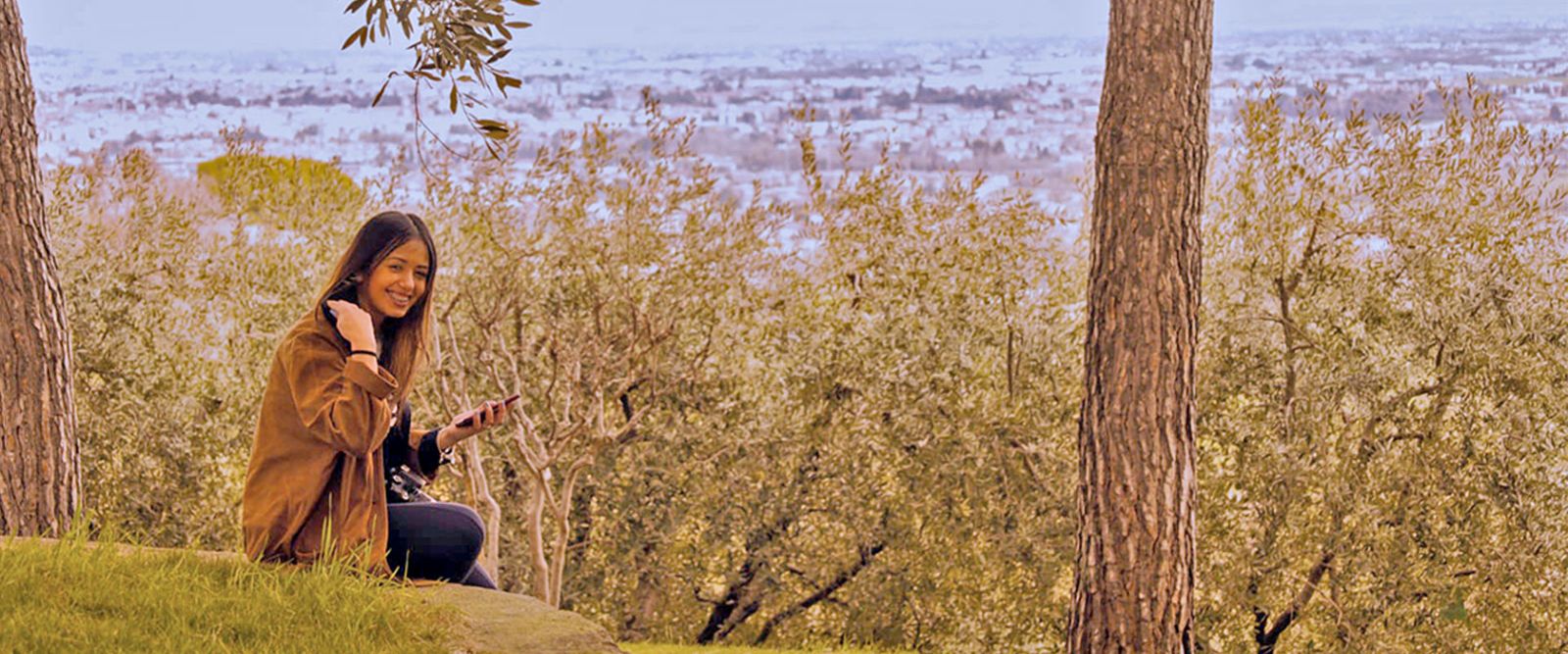
From the archive. This case comes from visits in 2020 and 2021. We are republishing it for what it teaches; before you go, check the estates' websites for current visiting arrangements.
We all know the classic winery visit: the counter, the barrels, four glasses, the tech sheet, the shop. It works, but it is rarely remembered. In the hills between Marostica and Breganze, near Vicenza in Veneto, two estates took a different road. Not as a marketing exercise: because of the way they were born.
Diesel Farm, Marostica: the winery as an atelier
Diesel Farm is the estate of Renzo Rosso, founder of the Diesel fashion brand, in the hills of Marostica: around 100 hectares of countryside protected from urban sprawl, 5.5 of them planted with vines. Part of the land is open to the town, with cycle paths and walks.
You climb past cypresses, woods, vines and cherry trees to the farmhouse at the top. Tastings happen around a long wooden table above a small cellar cut into the rock. There are five labels, like the owner's favourite number: Bianco di Rosso, Rosso di Rosso, Nero di Rosso, a rosé and Bolle di Rosso, a traditional-method sparkling wine.
Why it works
- The place speaks before the wine. The climb, the view, the rock beneath the house: by the first pour, guests already know where they are.
- The details match the brand. Screen-printed bottles, hand-made sealing wax, a tailor's language. People from fashion recognise it at once; everyone else feels it.
- The scale is human. A few hectares, a few labels: the story stays personal.
Transit Farm, Fara Vicentino: a gentle revolution
Transit Farm sits a few kilometres from Vicenza, in the hills of Fara Vicentino, within the Breganze DOC. Volcanic soils, organic farming, hand-picking in the early morning. In the cellar, alongside local grapes such as Vespaiola, it experiments with fermentation in terracotta amphorae, which add no flavour of their own.
Why it works
- The experiment is the story. An amphora needs no technical explanation: ancient, tactile, intriguing.
- The style is minimal, the experience is not. Few words, a lot of attention.
- The land is the protagonist. Vespaiola and Breganze's volcanic soils give guests something to take home: a name, a place.
Worth remembering
- Design the arrival. The first ten minutes matter more than the last glass.
- Make aesthetics and values match. Guests trust what is consistent.
- Give guests one word to keep. A grape, an object, a gesture they can repeat to a friend.
People forget the wine. They don't forget how they were welcomed.
The Gossip Letter
Stay curious about wine.
New bottles, changing rituals and the people reshaping contemporary wine culture.
Keep exploring
Good stories deserve a second round.