


Wine Culture
Italian food and wine pairing: the rules and the dishes
Seven sommelier rules and eighteen Italian dishes, from pizza to pizzoccheri, each with the right wine.
Leggi in italianoLuciana Dias — 3 min — October 2026
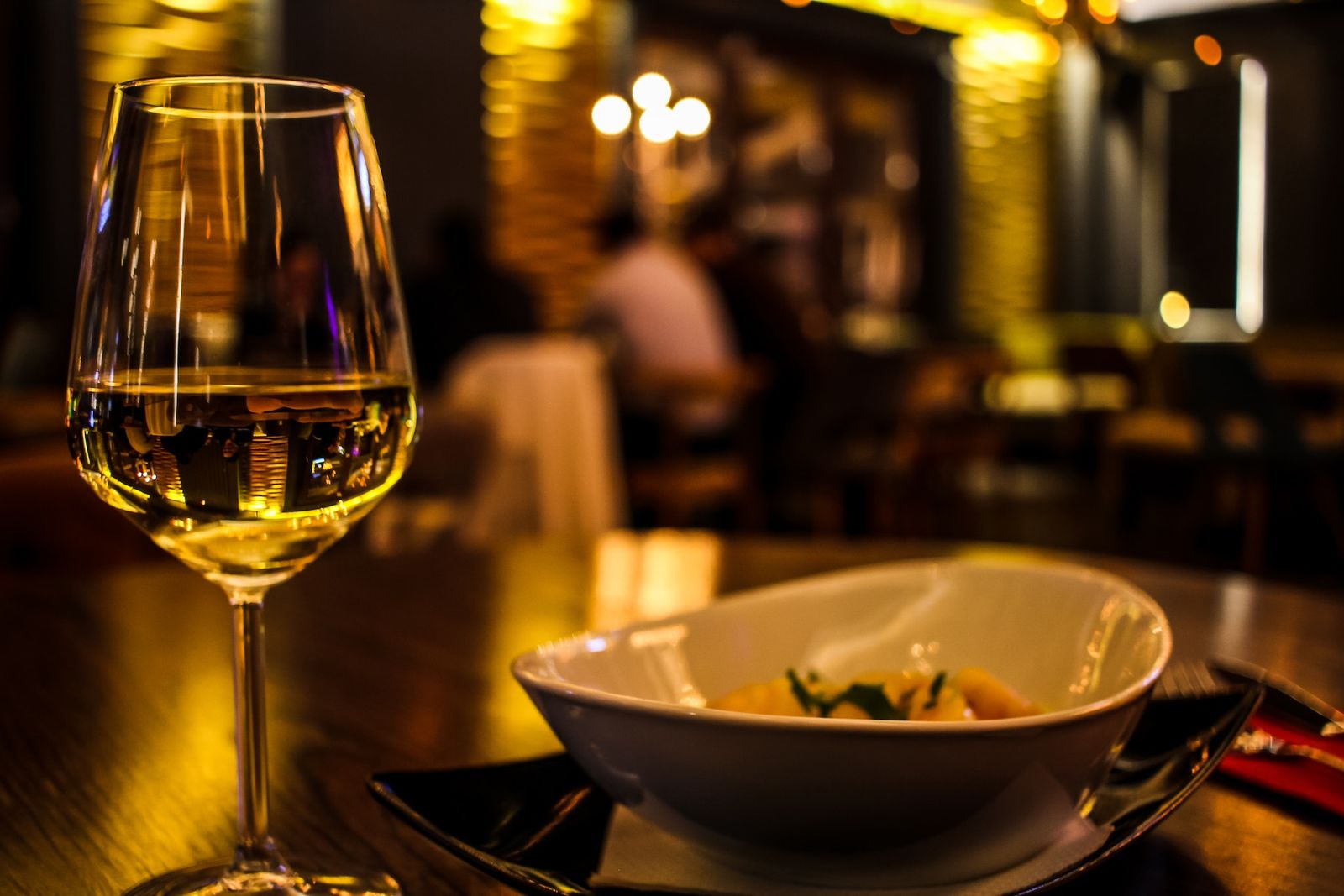
Pairing food and wine does not require a diploma. It takes a few rules, the ones sommeliers use, and a little courage to move beyond red wine with meat. Here are the principles first, then the most searched Italian dishes, one by one.
The rules that matter
- Weight with weight. A light dish wants a light wine, a rich dish a structured one. If one covers the other, the pairing fails.
- Fat wants acidity or bubbles. Cheese, fried food, rich sauces: acidity and carbon dioxide clean the palate.
- Juiciness wants tannin. Red meat and braises go with tannic reds, which dry the sense of juice.
- Tomato is acidic. It needs an equally fresh wine, white or red, or the wine tastes flat.
- Dessert wants a wine at least as sweet. A dry wine with dessert turns bitter.
- Spice hates alcohol and tannin. Choose an aromatic, lower-alcohol white, ideally with a touch of sweetness.
- When in doubt, go regional. Dishes and wines from the same place grew up together.
Wine body, briefly
- Light: young, fresh whites such as Pinot Grigio or Prosecco; reds such as Bardolino, Valpolicella Classico, Tai Rosso.
- Medium: whites such as Sauvignon, unoaked Chardonnay, Roero Arneis; reds such as Valpolicella Ripasso, Merlot, young Sangiovese.
- Full: whites aged on the lees or in wood; reds such as Amarone, Barolo, Brunello di Montalcino, Raboso del Piave.
Dish by dish
Pizza margherita
An unoaked Chardonnay: it does not cover the mozzarella, and its citrus notes suit the tomato and basil.
Pasta with tomato sauce
Harder than it looks, because of the tomato's acidity. A Valdobbiadene Prosecco Superiore, fresh and assertive.
Carbonara
A white with good acidity and some body, such as Verdicchio dei Castelli di Jesi or Frascati: they cut through the fat of the guanciale and the egg.
Lasagne alla bolognese
A red with good acidity to balance the fat of the ragù and béchamel: a Lagrein from Alto Adige, fragrant and never heavy, or a Sangiovese di Romagna.
Gnocchi with ragù
A Nebbiolo: acidity, tannin and alcohol to stand up to the richness of the gnocchi.
Pasta alla norma
Fried aubergine, tomato, salted ricotta: a young Sicilian red, such as Frappato or Cerasuolo di Vittoria.
Caponata
Sweet and sour puts many wines in trouble. A chilled Frappato or a Sicilian rosé keeps up without weighing it down.
Pizzoccheri
Butter, cheese, cabbage, buckwheat: the answer is in Valtellina, with a Rosso di Valtellina or a Valtellina Superiore made from Nebbiolo.
Polenta concia
Melted butter and cheese need acidity and gentle tannin: a Torrette from Valle d'Aosta or a Nebbiolo from Alto Piemonte.
Arrosticini
Grilled mutton skewers from Abruzzo: a Montepulciano d'Abruzzo, or a Cerasuolo d'Abruzzo on a hot day.
Goulash
Stewed meat and paprika: a soft but spicy red, such as Lagrein or Teroldego.
Cacciucco
Tuscan fish stew with tomato and chilli: a young Sangiovese, such as Morellino di Scansano, served slightly cool.
Baccalà alla vicentina
Slow-cooked salt cod with milk and oil: in Veneto it goes with Tai Rosso, a light red that does not cover the fish.
Vitello tonnato
A medium-bodied white, such as Roero Arneis or Sauvignon.
Porcini risotto
A fragrant, medium-bodied red: Pinot Nero or a young Nebbiolo.
Braised beef
Slow-cooked dishes for structured reds: Amarone, Barolo, Brunello.
Bruschetta with ricotta, honey and walnuts
A sparkling Fior d'Arancio from the Euganean Hills: gentle sweetness, orange-blossom perfume.
Tiramisù
Coffee and mascarpone flatten bubbles. Better a sweet Marsala, fortified and spicy.
The rule in one line
Look at the dish first: weight, fat, acidity, sweetness. Then choose the wine that balances it, and when unsure, choose the one made nearby.
The Gossip Letter
Stay curious about wine.
New bottles, changing rituals and the people reshaping contemporary wine culture.
Keep exploring
Good stories deserve a second round.